Count Before You Cart: How Auditing Your Jersey Collection Keeps More Money in Your Pocket
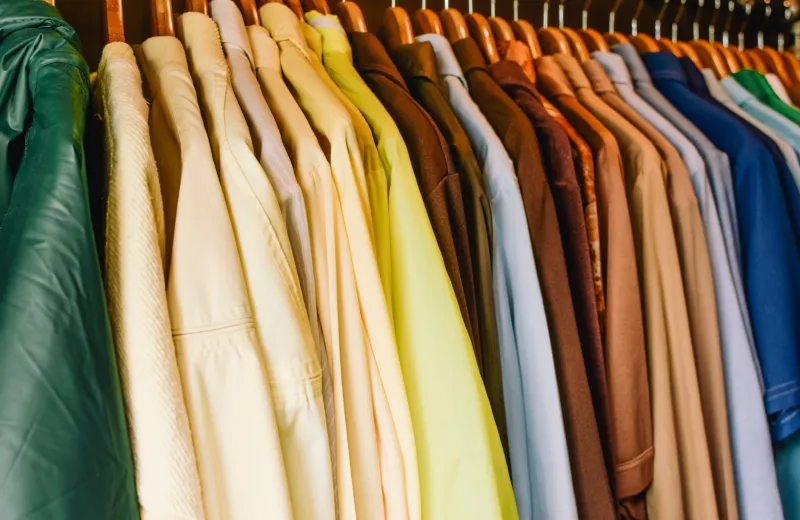
Here's a scenario that probably sounds familiar: you're scrolling through a sale, you spot a Patrick Mahomes jersey at a price that feels almost criminal, and you pull the trigger without a second thought. It shows up at your door five days later. You tear open the package. You hang it in the closet. And then — maybe a week later, maybe a month — you realize you already own that exact jersey. Different size. Same player. Same team. Same color.
Congratulations. You just spent money on something you already had.
This happens more than fans want to admit. And the fix isn't willpower or a spending freeze — it's a jersey audit. A real one. It takes maybe an hour, it costs nothing, and it will almost certainly save you more on your next purchase than any coupon code you've ever used.
What a Jersey Audit Actually Means
An audit sounds corporate. It's not. Think of it less like a spreadsheet exercise and more like a locker room inventory — you're just figuring out what's on the roster before you sign anyone new.
The basic idea is simple: pull every jersey you own out of wherever it lives (closet, drawer, storage bin, that one box you haven't touched since you moved), lay them out, and document what you've got. That's it. The documentation part is where most people skip a step, but it's also where the value lives.
At minimum, write down — or type out, or use your phone's notes app — the following for each jersey:
- Player name and number
- Team and color (home/away/alternate)
- Size
- Style (game, limited, replica, throwback)
- Condition (mint, worn, needs repair)
- Approximate year you got it
You don't need a fancy app for this. A basic note on your phone works. A Google Sheet works even better because you can sort and filter later.
What You'll Actually Find
Once you've got everything in front of you, patterns emerge fast. Most fans discover a few things they weren't expecting.
The duplicate problem. It's almost always there. Maybe you've got two versions of the same player jersey — one from when you first became a fan, one you grabbed during a sale three years later. Maybe you've got the same team's home white in two different sizes because you bought one before you figured out how NFL jerseys actually fit. Either way, duplicates represent money that was spent twice on essentially the same item.
The forgotten gem. This one is actually fun. Buried in most collections is at least one jersey that you completely forgot you owned — a throwback you grabbed at a thrift store, a vintage piece from a player who's now a legend, or a limited alternate colorway that's quietly appreciated in value. You can't enjoy (or sell) what you can't find.
The loyalty map. Look at your collection as a whole and you'll see something revealing: your actual fan allegiances, not the ones you tell people about. Maybe you say you're a Cowboys fan but half your jerseys are AFC players. Maybe you've been quietly building a throwback 90s collection without realizing it. Understanding your own collecting instincts helps you make smarter decisions about where to spend next.
The gap list. Once you know what you have, you can identify what you genuinely don't. Not what you want in a vague, scrolling-through-sales kind of way — but what's actually missing from the collection you're intentionally building. A real gap is worth filling. A duplicate isn't.
Turning the Audit Into a Smarter Shopping Strategy
Here's where the rubber meets the road. Once your list exists, use it actively before every purchase.
Before you buy anything, check the list. Takes ten seconds. Saves real money. If you're considering a jersey you already own in a different size, ask yourself whether you actually need both or whether one could go to a second life (more on that in a moment).
Use the gap list as your actual wish list. Pin it somewhere you'll see it — a note on your phone, a sticky on your monitor, whatever. When sales drop, you're not shopping blind anymore. You're shopping with a target. That's a completely different experience, and it results in far fewer buyer's remorse moments.
If you find duplicates or jerseys in rough condition that you're unlikely to wear again, consider moving them. Local resale apps, Facebook Marketplace, and sports memorabilia groups on Reddit are all reasonable places to offload what you don't need. The money you recover can go directly toward the gaps you identified — which means your next purchase is partially funded before you even open your wallet.
The Once-a-Year Habit That Pays for Itself
A jersey audit isn't something you do once and never revisit. Collections change. Players get traded, retire, or come out of nowhere. Your size might shift. Your team allegiances evolve. Doing a quick audit once a year — ideally before training camp season, when new jerseys start dropping and the temptation to buy peaks — keeps your list current and your shopping intentional.
It also makes you a better buyer at exactly the moment when retailers are pushing hardest. When a flash sale hits, fans who know their collection can move fast on the right item. Fans who don't know their collection move fast on any item, and that's where the regret comes from.
The Bottom Line
Budget-conscious fans talk a lot about finding deals — and yeah, that's important. But the other side of spending less is knowing what you already have. A jersey you forgot you owned is a jersey you might buy again. A duplicate is two purchases where one would have done the job.
The audit isn't about limiting yourself. It's about spending smarter. When you know your collection cold, every purchase you make is a deliberate one — filling a real gap, upgrading a worn-out piece, or landing a player you've genuinely been chasing. That's a much better feeling than opening a package and realizing you already own what's inside.
Pull everything out of the closet. Make the list. Shop from the gaps. Your wallet will notice the difference.