Timing the Drop: How NFL Jersey Prices Fall Predictably (And How to Catch Them at the Bottom)
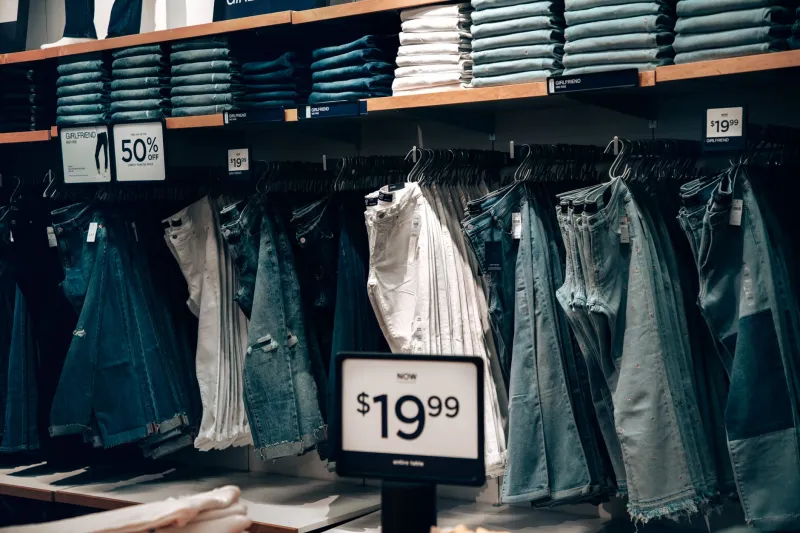
Every NFL fan has felt it — that gut punch when you drop $150 on a player's jersey, and three months later it's sitting in the clearance bin for $45. It stings. But here's the thing: that price drop didn't come out of nowhere. Jersey pricing follows patterns that are surprisingly predictable once you know what to look for.
Think of the NFL jersey market less like a slot machine and more like the stock market. There are peaks, valleys, and everything in between — and savvy fans who pay attention can time their buys to land premium gear at bargain prices. Let's break it down.
The Hype Cycle: Why New Jerseys Cost So Much at Launch
When a player is hot — think a rookie who just dropped a jaw-dropping debut season, or a veteran who finally won a Super Bowl — demand for their jersey skyrockets. Retailers know this, and they price accordingly. You're not just paying for fabric and stitching; you're paying for cultural relevance.
This hype premium is real. During peak demand windows, popular jerseys can carry markups of 30–50% above their baseline retail value. Platforms like Fanatics and official NFL Shop set the ceiling, and third-party sellers tend to follow suit. The MSRP doesn't budge, but availability tightens and discounts basically disappear.
The good news? Hype fades. And when it does, prices follow.
The Four Triggers That Send Jersey Prices Downward
Understanding why prices drop is the first step to predicting when they'll drop. There are four main triggers to watch:
1. A Decline in On-Field Performance Nothing deflates jersey demand faster than a rough season. A quarterback who throws 20 interceptions, a running back battling injuries, or a wide receiver who suddenly can't get separation — all of these push casual fans away from buying that player's gear. Supply stays the same, demand drops, and prices follow. For fans who genuinely love the player, this is often the best time to buy.
2. Trade Rumors and Free Agency Uncertainty The NFL offseason is a pricing goldmine for patient shoppers. When a player hits the trade block or enters free agency, retailers get nervous about sitting on unsellable inventory. A jersey for a star receiver who might leave New England for Dallas is suddenly a risky purchase for consumers — and retailers respond by discounting to move units. Watch the rumor mill closely between February and April.
3. Market Saturation After a Big Moment Super Bowl runs, Pro Bowl selections, and record-breaking performances all cause retailers to flood the market with a player's gear. Six months after that saturation point, you'll often find the same jerseys marked down significantly because the initial wave of buyers has passed and stock is still sitting on shelves.
4. Retirement Announcements (The Counterintuitive One) Here's where it gets interesting. When a player retires, most fans assume prices go up because the jersey becomes a collector's item. And eventually, that can be true — but immediately after a retirement announcement, prices often dip first. Retailers aren't in the collectibles game; they want to clear inventory. That short window between announcement and the market adjusting is when sharp buyers can grab a future legend's jersey at a discount.
Which Players' Jerseys Depreciate Fastest?
Not all jerseys are created equal when it comes to holding value. Here's a general breakdown:
- Backup quarterbacks and depth players: These drop fast and hard. The moment a backup loses the starting job or gets cut, their jersey value craters. Great for fans, rough for resellers.
- Skill position players on bad teams: Running backs and receivers on perennial bottom-feeders see steady depreciation throughout a losing season. Stock up in Week 10 if your team is out of playoff contention.
- Players involved in off-field controversy: Prices can swing wildly here, but the general trend is a steep initial drop followed by a slow climb back if the player returns to form. The dip is often dramatic.
Which Jerseys Hold Value Longest?
On the flip side, some jerseys are remarkably resistant to price drops:
- Active franchise quarterbacks on winning teams: Patrick Mahomes, Lamar Jackson, Josh Allen — these guys consistently rank among the top-selling jerseys in the league, and their gear doesn't discount easily. You'll rarely catch a significant sale unless you're hunting during an offseason lull.
- Recently retired Hall of Fame locks: Once the initial post-retirement clearance window closes (usually 60–90 days), jerseys for players like Tom Brady or Peyton Manning stabilize and trend upward. Miss that early window and you'll pay more.
- Players with strong regional fanbases: Local market demand keeps prices elevated even when national interest dips. A Green Bay Packer legend's jersey will hold value in Wisconsin regardless of what's happening league-wide.
The Calendar Hack: Best Times of Year to Buy
Beyond individual player situations, the calendar itself creates reliable buying opportunities:
- Late February through March: Post-Super Bowl lull. Retailers are clearing seasonal inventory and attention shifts to the draft. This is a consistently strong window for deals across the board.
- Early August: Preseason has started but the regular season hype hasn't kicked in yet. Retailers are pushing summer clearance while simultaneously stocking up for fall.
- Week 10–12 of the regular season: Teams out of playoff contention see a noticeable drop in fan spending, which trickles down to merchandise pricing. If your team is 3–8, check the sales section.
How to Actually Use This Information
The practical move here is simple: make a list of the jerseys you actually want, then set price alerts on retail sites and watch for the triggers above. When a player hits a rough patch, gets traded, or the offseason hits, that's your signal to check prices.
Sites like our own cheapnfljerseysonlineshop.com track discounts in real time, so you're not doing all this homework manually. But understanding the why behind the pricing gives you the context to know whether a 20% discount is actually a deal or just the starting point of a bigger markdown.
Patience is the real cheat code in this game. The jersey you want at full price today will almost certainly be cheaper in six months — you just need to know when to pull the trigger.
Bottom Line
Jersey prices aren't arbitrary. They're driven by hype, performance, roster moves, and the basic economics of supply and demand. Once you start reading those signals, you'll never pay full price for a jersey again — or at least, you'll only do it when you consciously decide the moment is worth it. The market will always give you another shot at a discount. You just have to be watching when it does.