Size Smart, Spend Less: The Fan's Guide to Buying NFL Jerseys That Actually Last
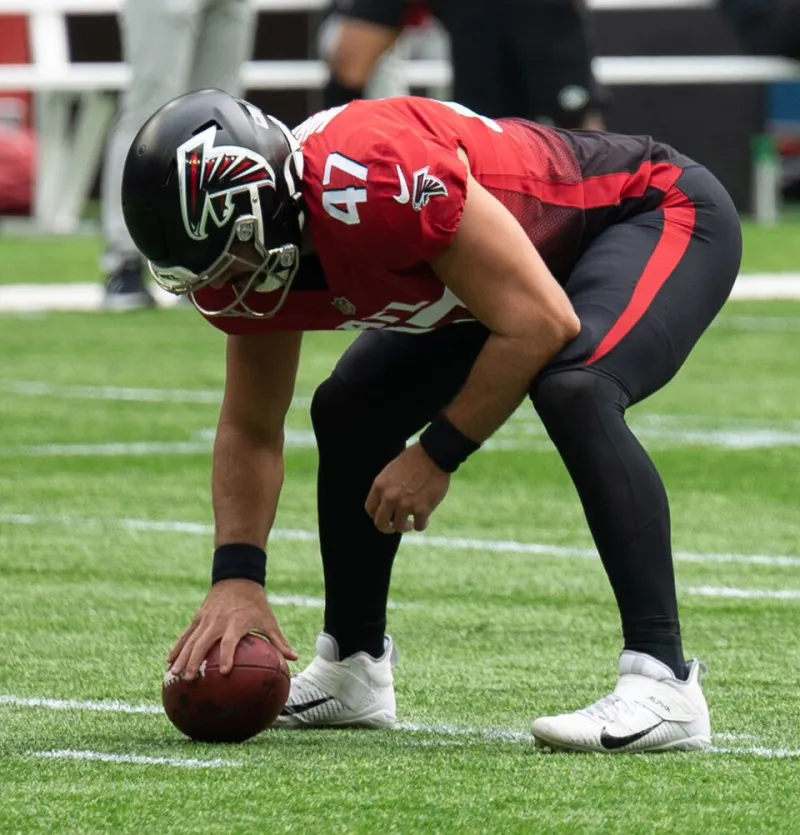
Photo: U.S. Air Force photo by Airman Jacob Wood, Public domain, via Wikimedia Commons
Let's be honest: most fans don't think twice about jersey sizing. You find your guy, you grab your usual size, and you're done. But if you've ever pulled a jersey out of the closet two seasons later only to realize it either fits like a tent or cuts off circulation at the armpits, you already know that "usual size" isn't always the right move.
There's actually a smarter way to approach this. A little upfront thinking about sizing—yours, the player's, and even the market's—can stretch your budget way further and keep you looking fresh on game day for years. Here's how to play it right.
Why Jersey Sizing Is More Complicated Than You Think
NFL jerseys aren't like your everyday t-shirts. They're cut with athletic builds in mind, and the fit can vary pretty significantly depending on the brand, the era of production, and even the specific team's uniform deal. Nike's current on-field jerseys, for example, run differently than the old Reebok-era cuts that still circulate on resale sites.
Beyond the garment itself, there are two other variables most buyers ignore: the player's body and your own. Both of these change over time, and both affect whether a jersey stays wearable—or ends up shoved in the back of a drawer.
The Player Physique Factor: Positions Matter
Here's something worth knowing before you drop money on a jersey: not all NFL players maintain the same build throughout their careers, and it varies a lot by position.
Quarterbacks and wide receivers tend to be among the most consistent in terms of body type over time. These guys are usually lean, quick-twitch athletes whose conditioning stays relatively stable season to season. A Patrick Mahomes or a Davante Adams jersey you buy today is unlikely to feel "off" in a few years just because the player bulked up or slimmed down dramatically.
Offensive and defensive linemen are a different story. These players can fluctuate 20, 30, even 40 pounds depending on scheme changes, injuries, or coaching staff preferences. A lineman who gets moved from nose tackle to a 3-4 end might drop significant weight in a single offseason. That doesn't necessarily affect your jersey's wearability, but it's worth knowing that the player's visual identity can shift—which sometimes affects how "right" the jersey feels aesthetically.
Running backs sit somewhere in the middle. Most are already built compact and explosive, but younger players especially can add muscle as they mature into the league. Keep that in mind if you're buying a jersey for a rookie RB you're high on—the player might look noticeably different in year three.
The practical takeaway: if you want a jersey that feels timeless and is less likely to look "wrong" as years pass, skill position players on the lighter end of the spectrum are your safest bet.
Planning Around Your Own Body (No Judgment Here)
This part doesn't get talked about enough, but it's real: your body changes too. Whether it's a few holiday pounds that stuck around, a new workout routine, or just the natural shifts that come with getting older, the jersey that fit perfectly at 28 might not sit the same way at 35.
A few practical moves to account for this:
- Size up slightly if you're between sizes. NFL jerseys are meant to be worn loosely over pads, so they already have some forgiveness built in. An XL that feels a little roomy today has more staying power than a tight-fitting L that might not last two seasons.
- Check the jersey's cut before buying. Game-style jerseys (the replica on-field look) are cut wider than fashion jerseys, which tend to be more tailored. If you want something that stays wearable long-term, the game cut is usually the more forgiving choice.
- Think about layering. In cold-weather cities—your Greens Bays, your Buffalos, your Chicagos—fans wear jerseys over hoodies and thermals. If you're dressing for outdoor games or watch parties in January, factor that in and size accordingly.
The Resale Angle: Why Size Affects What You Can Recover
If you ever decide to move a jersey on—whether because your team's star got traded, your guy retired, or you just want to rotate your wardrobe—size matters more than most people realize.
Medium and large are the sweet spots in the resale market. They move faster, attract more buyers, and often command slightly better prices than XS or XXL. If you're purchasing a jersey partly as a collectible or with one eye on eventually flipping it, sticking to those middle sizes gives you a broader pool of potential buyers.
On the flip side, if you personally wear a smaller or larger size, don't try to game the resale market by buying a size that doesn't fit you—that's how jerseys end up sitting in a pile unworn. The goal is to maximize your own use first, resale potential second.
Timing Purchases to Get the Best Price on the Right Size
Here's where the budget angle really kicks in. Certain sizes go on sale at predictable times, and knowing the pattern helps you shop smarter.
- Post-season clearances often have uneven size availability. Mediums and larges sell out first during the season, so by January, you're more likely to find smalls and XLs marked down steeply. If those sizes work for you, this is prime time to stock up.
- Rookie season deals are another underrated opportunity. When a player is newly drafted, their jerseys are widely available in all sizes. As they prove themselves and demand spikes, inventory gets picked over. Getting in early—especially on a size that fits you well—means you're not scrambling for your size when everyone else wants one.
- Offseason sales (typically March through July) are when retailers move prior-season stock. This is when you can often find jerseys in the full size run at discounted prices, rather than picking through whatever's left mid-season.
Building a Versatile Jersey Wardrobe Without Overpaying
The smartest fans don't have one jersey—they have a small rotation. And each piece in that rotation was bought with intention.
A good starting framework for a budget-conscious NFL wardrobe:
- One franchise cornerstone jersey — your QB, your generational talent, someone whose name will be on the team for years. Buy the right size, don't overthink it.
- One throwback or retired player jersey — these are often deeply discounted and have zero risk of becoming obsolete. Size here for comfort and longevity.
- One wildcard pick — a rising star, a cult favorite, a player you genuinely believe in. Buy smart on timing and size up slightly for staying power.
None of these need to cost full retail. Knowing when to buy, what size to target, and which players hold their visual identity over time is the whole game.
The Bottom Line
Jersey sizing isn't just about fitting into the thing when you buy it. It's about making sure it still fits your life—and your body—two, three, or five years from now. Factor in the player's position and likely physique stability, your own sizing trajectory, and the practical reality of the resale market, and you'll make far fewer purchases you regret.
Shop with a little strategy, and your jersey collection becomes an actual wardrobe instead of a pile of expensive mistakes.